

Updated August, 2022
We are constantly told that dehydration is bad for you. Lack of concentration, fatigue, headaches and loss of physical performance are all effects that we are told about, usually by drinks companies, but is dehydration dangerous?
A quick google reveals a lot of confusing information, not least due to myths around the weather, and the large number of different names for dehydration and it’s different stages. So let’s break it down and see how having some basic information can make a difference.
Dehydration Doesn’t Just Happen When It’s Hot
Dehydration can occur in any climate and is a function of inadequate fluid being taken on board to sustain the body. Exertion can play a major part in this and often the most high profile cases of obvious dehydration are displayed by athletes. Many people remember what happened to Jonny Brownlee in the Triathlon World Series in Mexico in 2016. He nearly collapsed after leading to the finish line but started weaving all over the track largely due to dehydration. Unfortunately, this usually occurs in warmer climates – top athletes are actually very good at managing their hydration levels, because they need to stay hydrated in order to perform at the highest level. This event helped perpetuate the myth that its heat that causes dehydration.
How do I know if I am Dehydrated?

How do we know how much to drink for the activity we are doing? The best way is to keep it simple and listen to your body. If you feel thirsty, drink. If you are exerting yourself, you will want to, and need to drink more, whatever the weather, but especially in warmer conditions. As a nation we are not usually very comfortable talking about going to the toilet, but you should pay attention to your pee, it should be a light, clear yellow. Darker yellow is a sure sign that you are dehydrated and need to drink more fluids. The NHS currently recommends that we:
“should drink about 1.2 litres (six to eight glasses) of fluid every day to stop us getting dehydrated. In hotter climates, the body needs more than this.”
What should I be drinking?
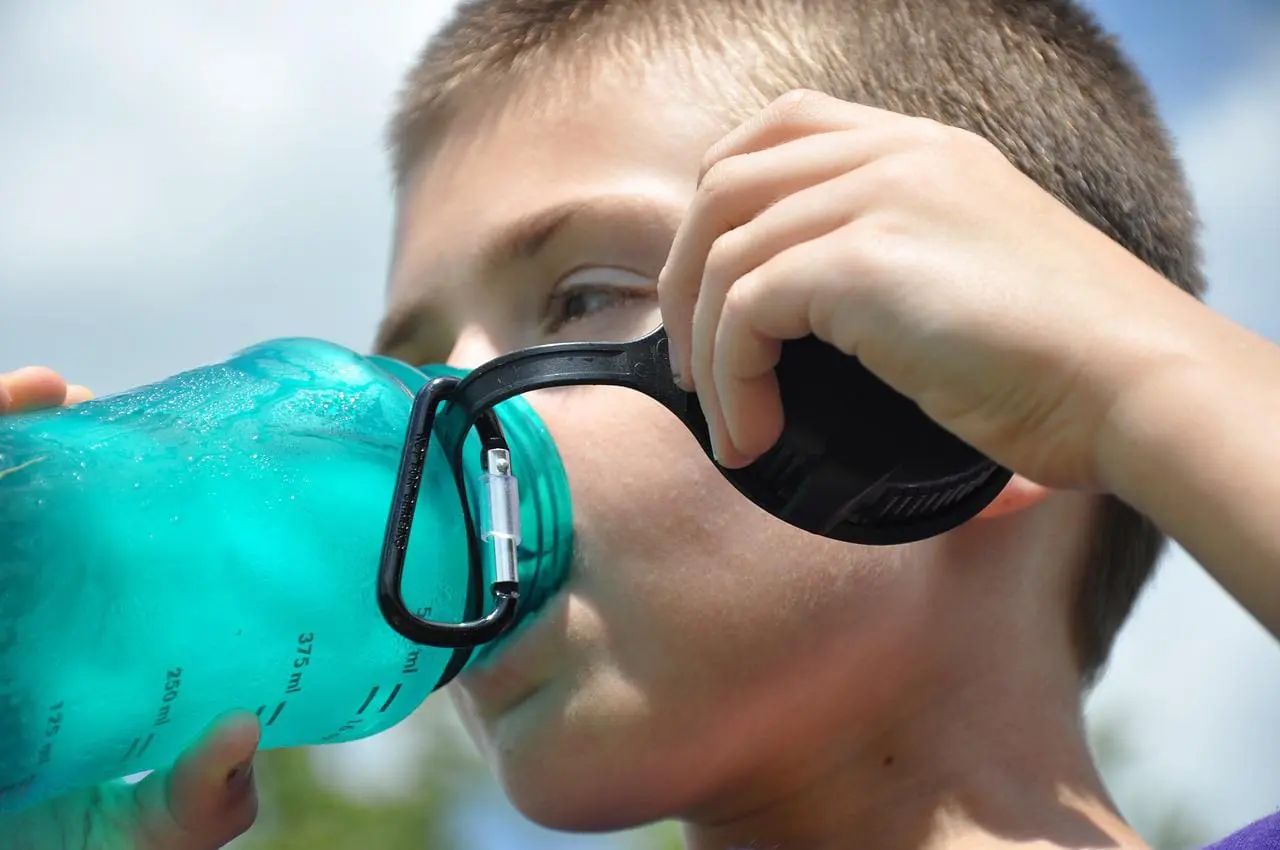
If we aren’t exerting ourselves more than usual causing us to sweat, simply drinking water and a normal healthy diet should be sufficient to keep us hydrated. However, if we are sweating, we are losing salt and other minerals in our sweat as well as fluid, and these need to be replaced too. In this instance, drinking electrolyte solutions can really help and are readily available as soluble tablets or powder to dissolve in water.
Avoid caffeinated drinks, as caffeine is diuretic – which means that it encourages you to pee more often, thus actually dehydrating you! The same can be said of canned or bottled ‘energy’ drinks as they are usually caffeinated too.
How do I know if someone is dehydrated, and what should I do to treat them?
Dehydration takes a number of forms and has a number of names. Mild dehydration will present as a thirst and inability to concentrate, alongside fatigue, headache and loss of performance. It can usually be easily cured by taking on appropriate fluids to rehydrate. Serious dehydration can lead to heat stroke which is a serious illness and needs urgent medical attention.